Selling a Tiburon Home for Bay-View Buyers
Wondering how to make your Tiburon home stand out to Bay-view buyers? In a place where shoreline scenery, village character, and access to San Francisco are part of the appeal, buyers are often looking for more than square footage alone. They want to see how your home captures the landscape, supports daily life, and feels ready to enjoy. This guide walks you through what to prioritize before you list, from staging and photography to practical pre-sale prep. Let’s dive in.
Tiburon’s setting is a big part of its value. The town highlights its shoreline location, natural beauty, village feel, and easy access to San Francisco, including ferry service that connects Tiburon and downtown San Francisco in about 30 minutes.
That means many buyers are not just shopping for a house. They are also buying into a lifestyle shaped by water views, outdoor living, and proximity to downtown, Shoreline Park, and the waterfront. Your home presentation should help them picture that experience clearly.
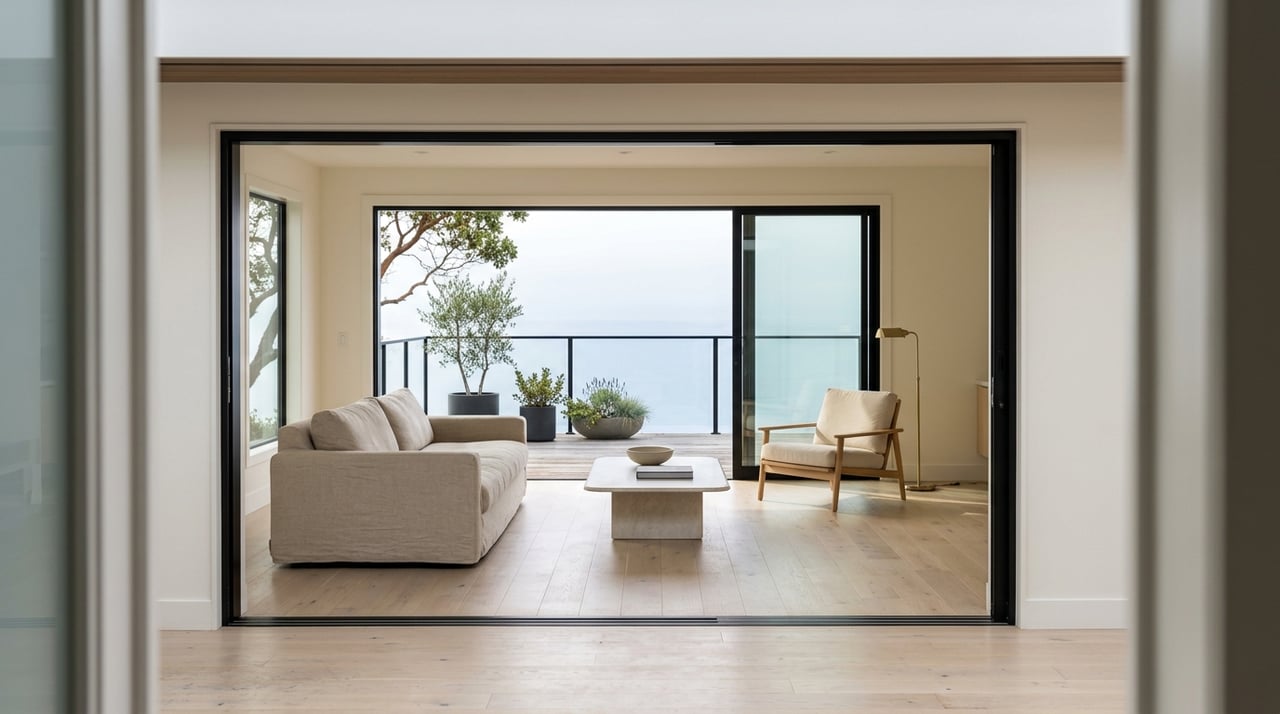
Bay-view buyers want to understand how the home connects to its surroundings. They are often evaluating where people gather, how light moves through the rooms, and whether decks, terraces, or patios feel like useful extensions of the interior.
Start by thinking about the natural path through your home. From the entry to the living room and out toward the view, the layout should feel open, intuitive, and easy to read. If furniture, decor, or storage interrupts that experience, it is worth editing.
Decluttering matters, but in Tiburon, the goal is not to make a home feel empty. The goal is to clear sightlines so windows, glass doors, and outdoor spaces become part of the story.
Remove oversized furniture, bulky accessories, and anything that blocks circulation to decks or patios. When buyers walk in, their eye should move naturally toward the strongest outlook.
Usable outdoor space is a feature buyers notice. If you have a terrace, deck, or patio, define its purpose with simple, clean staging that suggests dining, lounging, or quiet morning coffee without overcrowding the area.
A Bay view is powerful, but it works even better when buyers can immediately understand how they would use the space. Keep furnishings scaled to the area and arranged to support the view rather than compete with it.
According to the National Association of Realtors’ 2025 Profile of Home Staging, staging helps buyers visualize a home as their future home. The same report found that the most important room to stage is the living room, followed by the primary bedroom and kitchen.
For a Tiburon listing, that order makes sense. These are often the rooms where buyers will measure comfort, routine, and connection to the scenery.
The living room does a lot of work in a Bay-view home. It should feel comfortable, open, and oriented toward the windows or outdoor transition points.
Use seating that supports conversation and leaves enough visual breathing room. If possible, avoid placing large pieces in ways that turn their backs to the view or make the room feel closed off.
The primary bedroom should feel restful and simple. Crisp bedding, limited decor, and open surfaces can help the room feel more spacious and easier to picture as a retreat.
If the bedroom has water or hillside outlooks, keep window areas especially clean and unobstructed. A calm room helps the setting do more of the talking.
In the kitchen, buyers are usually looking for function and condition. Clear counters, deep cleaning, and a polished but minimal look can make the space feel ready for everyday use.
If your kitchen connects to a dining area, family room, or outdoor deck, make that relationship obvious. In a lifestyle market like Tiburon, flow matters almost as much as finishes.
Before starting projects, focus on updates that support livability, presentation, and buyer confidence. Energy-efficient upgrades and durable improvements can fit well with what buyers are noticing online, especially when they support comfort and long-term value.
Tiburon also has a strong local sustainability focus, with the community reporting emissions reductions since 2005 and ongoing Climate Action Plan work. While not every seller needs to renovate, practical improvements that make the home easier to maintain can strengthen the story.
This step is especially important in Tiburon. The town says exterior alterations generally require review by both Planning and Building, and design review is often needed for additions, exterior remodels, fences or retaining walls over 3 feet, and tree alterations.
The town also notes that building permits are required for many common pre-listing projects, including window replacements, reroofing, drainage work, some remodels, and certain fences or walls. If you are considering improvements before listing, check the local process early.
Tiburon’s Building Division performs residential resale inspections. If you are planning your listing timeline, it helps to account for that process in advance so there are fewer surprises once your home hits the market.
Early planning can also help you decide whether to tackle repairs before listing or prepare clear documentation for buyers.
If your property includes shoreline structures or Bay-adjacent work, verify whether permits apply. The Bay Conservation and Development Commission says that most projects and activities in San Francisco Bay and along its shoreline require a permit.
That makes it smart to review any dock, seawall, fill, or similar improvements early. Buyers tend to feel more confident when property details are organized and easy to explain.
Tiburon’s location brings beauty, but it also comes with practical considerations. The town notes that some areas face long-term flood or inundation exposure related to sea-level rise, including parts of downtown, Bay Road, the Boardwalk area, Greenwood Beach, Paradise Cay, and Bel Aire.
You do not need to oversell or understate those realities. Instead, present your home as well-maintained, thoughtfully cared for, and easy to understand.
In Marin, wildfire resilience matters. CAL FIRE says the first five feet from a home is the most important Zone 0 area, that homes need 100 feet of defensible space, and that home hardening uses fire-resistant materials and maintenance practices to reduce ignition risk.
CAL FIRE also says sellers in high or very high fire-hazard severity zones need documentation of a compliant defensible-space inspection. If that applies to your property, gathering documentation before listing can help support a smoother sale.
Simple items can go a long way here. Clean roofs and gutters, maintained exterior surfaces, tidy landscaping, and well-kept pathways all reinforce the impression that the home has been cared for.
For Bay-view buyers, peace of mind matters alongside beauty. A home that feels polished and responsibly maintained often reads as more valuable.
Online presentation is critical. NAR’s staging research found that 81% of buyers rated listing photos as the most useful feature in online search, and buyers’ agents also value videos and virtual tours.
That means your first impression is usually digital. Your photography, image order, and property description should work together to answer buyers’ biggest questions quickly.
Your strongest photo should usually show the most compelling view first. After that, the image sequence should show how the interior frames the view and how the main living spaces connect to outdoor areas.
This creates context instead of just showing a pretty horizon line. Buyers want to understand what it feels like to actually live there.
Showings should be timed for strong light and visibility whenever possible. Open blinds, clean the glass, and make sure rooms feel bright without looking harsh.
In a view-centered home, weather and time of day can shape the experience. A well-timed showing can help buyers feel the full appeal of the setting.
Photos should create excitement, but they also need to match the in-person experience. Overly dramatic editing, misleading wide-angle shots, or virtual staging that distorts scale can create disappointment when buyers walk through.
A polished presentation should still feel honest. Trust is part of good marketing.
Strong listing copy should answer common buyer questions up front and connect features to daily life. In Tiburon, that often means describing not just the home’s finishes, but also how the property fits the local rhythm.
Concrete details can help buyers understand the bigger picture. Ferry access, downtown Main Street and Ark Row, Shoreline Park, community events, and Tiburon’s village character all help explain what makes the location distinctive.
Instead of only listing rooms and measurements, describe how the spaces function. You can frame a deck as a spot for outdoor dining, a living room as a place where the Bay stays in view, or a flexible room as a quiet work or guest space.
This gives buyers a clearer mental picture. It also supports the idea that the home is designed for real daily living, not just occasional admiration.
If you want a simple way to organize your next steps, start here:
Preparing a Tiburon home for Bay-view buyers is really about helping people see the full picture. When your home feels open, well cared for, and clearly connected to its surroundings, buyers can more easily understand both its beauty and its everyday value. If you are getting ready to sell in Tiburon or elsewhere in Marin, Janeen Anderson can help you shape a thoughtful, polished listing strategy.