How to Compare Hayes Valley New Condo Buildings
Thinking about a sleek new condo in Hayes Valley but not sure how to compare buildings, amenities, and HOA health? You are not alone. Newer mid-rise condos can offer great design and convenience, yet the details around parking, dues, and financing can make or break your purchase. In this guide, you will learn how to read floorplans, weigh parking options, understand HOA documents, and spot red flags, plus where to track upcoming projects. Let’s dive in.
Hayes Valley grew up around the Octavia Boulevard redevelopment, which brought walkable blocks, Patricia’s Green, and a wave of modern mixed-use buildings. The neighborhood’s newer condos are typically mid-rise projects that fit right into this pedestrian vibe. The Market & Octavia area plan explains the framework that guided much of this growth and is still a helpful window into future changes and opportunities in the district. You can review that plan to understand the long-term context buyers are stepping into.
Prices in Hayes Valley tend to cluster around a general band near the one-million-dollar range, with real variation by floorplan, parking, views, and building quality. The point is to compare like with like, and focus on nearby condo comps over older flats when you evaluate value. Recent citywide condo reports also note that 2024 and 2025 brought steadier activity and modest price gains, and that well-priced listings with scarce features like parking or views still move quickly. If you like a home that checks those boxes, have your pre-approval and questions ready.
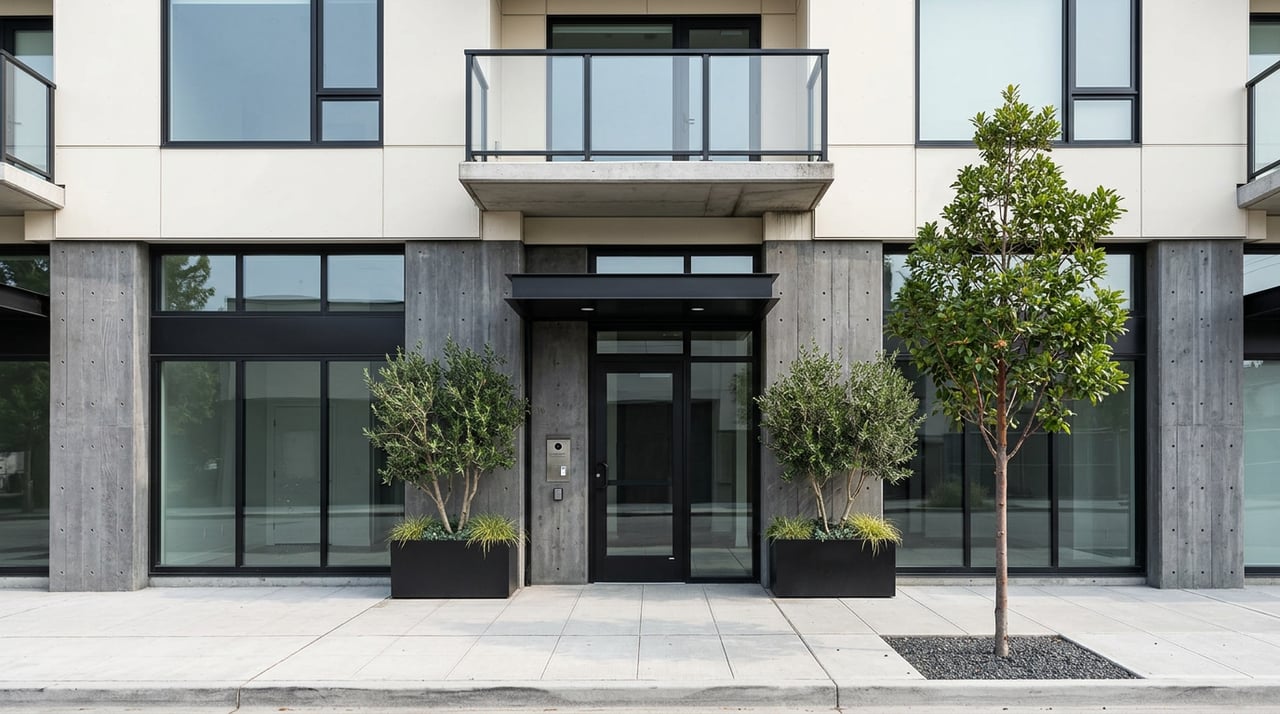
Most newer Hayes Valley condos sit in 4 to 8 story mixed-use buildings with ground-floor retail. You will see studios, junior one-bedrooms, traditional one-bedrooms, and two-bedrooms, with the occasional penthouse or townhouse-style layout. Floorplans often prioritize efficient living, with open kitchen-living areas, in-unit laundry, and compact bedrooms that make smart use of space. Think functional density rather than the oversized rooms you sometimes find in older flats.
Local examples that reflect this modern profile include 8 Octavia, 400 Grove, and 450 Hayes. Each shows a different take on massing, unit mix, and shared spaces, which is why touring more than one building can sharpen your eye for what fits your life best.
Reduced parking is common in newer Hayes Valley buildings that were designed for walkability and transit access. Many units do not include an assigned car space, while some buildings offer limited below-grade garages. If you own a car, confirm in writing whether the unit includes deeded parking, whether a stall is assigned or tandem, and how any mechanical system works. Ask if there is a separate HOA charge for parking.
If you drive an EV, check the building’s EV policy. Some projects are EV-ready or allow owner-installed charging in assigned spaces, but capacity, cost, and approval steps vary by HOA. Get clarity on who pays for installation, what permits are needed, and whether the panel has room for your circuit.
Newer Hayes Valley buildings often deliver a strong amenities mix: roof decks or gardens, landscaped courtyards, secure bike rooms, and package areas with a virtual doorman. These features add lifestyle value and can be a real plus in an urban setting. The tradeoff is cost. More amenities and newer building systems usually mean higher monthly HOA dues to cover maintenance, master insurance, management, and contributions to reserves. That can be worth it, provided the HOA’s financials are solid and the reserves are healthy.
Before you remove contingencies, request the full HOA resale packet from the seller or manager. At minimum, review:
California’s Department of Real Estate provides guidance on what associations should maintain and disclose, and buyers should lean on that framework while reviewing. You can learn more about standard HOA budgeting and reserve expectations here: California DRE HOA guidance
By state guidance, associations should complete a reserve study at least every three years and review it annually. As a buyer, ask for the latest reserve study, the percent funded, and the plan for major capital items like roofs, elevators, and building envelope projects. Red flags include a lack of recent studies, chronically low reserves, or frequent large special assessments. If the board is planning a major repair, confirm whether reserves or a new assessment will fund it, and what that means for your timeline and budget. The DRE resource above explains how reserves are supposed to be planned.
Many lenders rely on Fannie Mae’s project eligibility standards for condo loans. For established buildings, high HOA delinquency rates or significant unfunded repairs can push a project outside conventional underwriting, or trigger extra review. If you plan to finance with conventional, FHA, or VA, ask your lender early whether the building meets current project requirements and what documentation is needed. If a project lacks approvals or has unresolved issues, your loan options may narrow and timelines can stretch. Learn how lenders evaluate condo projects here: Fannie Mae condo project review
San Francisco’s short-term rental rules focus on primary-residence hosting and require registration with the city, with restrictions on non-hosted stays. These rules also evolve, so confirm the latest requirements with city sources before you rely on potential rental income. A summary of the city’s policy framework is captured in Planning Department materials like this: San Francisco Planning briefing
Even if city law allows a certain type of rental, your HOA can set tighter limits. Many associations restrict or ban short-term rentals, set minimum lease terms such as 30 days, or cap the number of rental units. Review your CC&Rs and rules closely so your plans match the building’s policies. For an overview of how California law treats HOA rental rules, see: Davis-Stirling on rental restrictions
If the building is very new, find out whether the developer still controls the board or holds unsold units. The status of the developer turnover and any builder warranties can affect how repairs get handled and when long-term reserve funding ramps up. Ask for any developer-specific disclosures in the HOA packet and confirm whether a formal turnover has been completed. The DRE’s HOA guidance page offers helpful context for understanding developer control and handoff.
If you want a pulse on what is coming next, start with San Francisco’s planning resources. The Market & Octavia area plan is still the north star for Hayes Valley, and the Planning Department’s public materials can help you track parcels, approvals, and neighborhood-scale changes. Check status for specific projects before assuming timing or pre-sale windows. You can review the planning framework here: Market & Octavia Area Plan
Developer and architect pages, along with current local real estate coverage, are also useful for confirming unit specs, amenities, and completion dates on a building-by-building basis. Cross-check what you read with the latest HOA documents and the seller’s disclosures once you focus on a specific listing.
Use this quick list to keep your search efficient and your risk low:
Newer Hayes Valley condos can be a smart fit if you value walkability, design, and modern systems. The win comes from matching the right floorplan and parking setup with an HOA that plans well and a building that qualifies smoothly for financing. If you want a second set of eyes on a specific listing, or you are just starting and need a curated short list, I am here to help. Let’s map what matters most to you and make a confident move in this neighborhood.
If you are considering a purchase or want to refine your search, connect with Janeen Anderson to get tailored guidance.