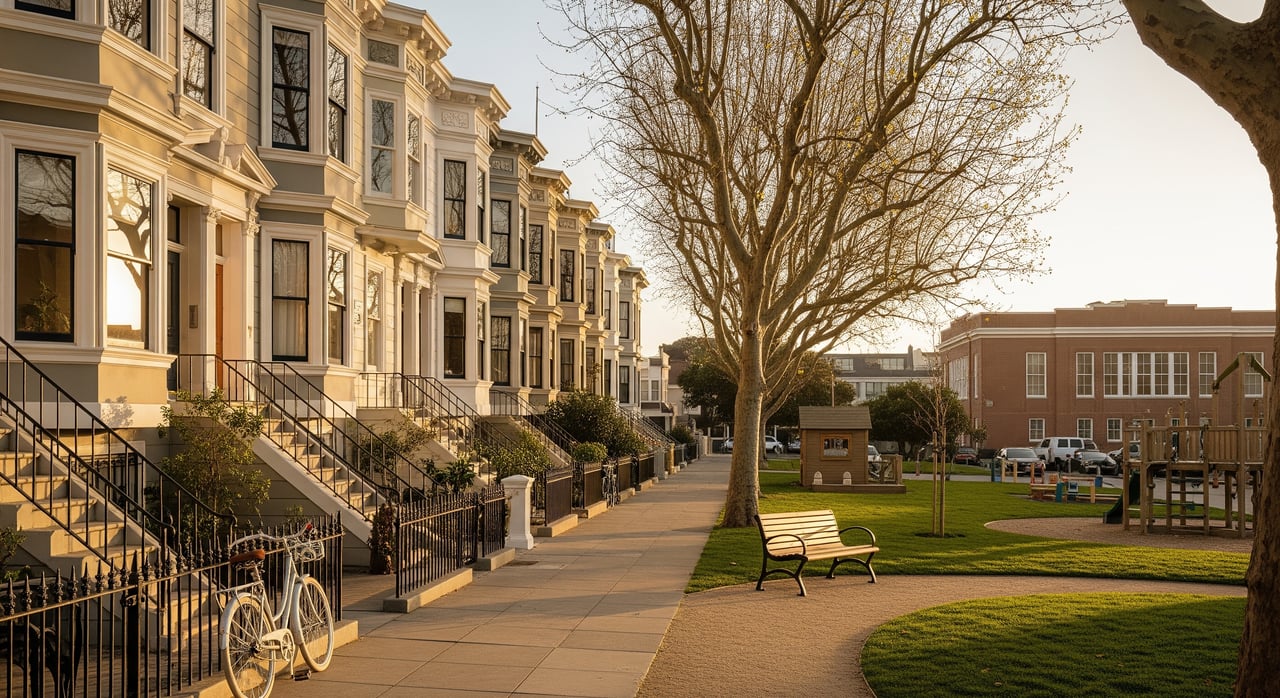
Noe Valley Neighborhood Guide to Schools, Parks & Life
Wondering what daily life feels like in Noe Valley? If you want a quieter San Francisco neighborhood with tree-lined streets, a walkable main street, and easy access to parks and transit, this guide is for you. You’ll learn how schools work, where to find green space, how people get around, and what housing types you can expect. Let’s dive in.
You get a village feel in the middle of the city. Most daily errands cluster along 24th Street, a walkable corridor lined with independent cafés, bakeries, small grocers, boutiques, and wellness services. The streets are calm compared with busier parts of San Francisco, and much of the housing is low-rise.
You will see a steady flow of strollers and dogs on the sidewalks. The neighborhood’s pace suits people who appreciate friendly, local businesses and a strong sense of community. Civic life is active too, with neighborhood groups that collaborate on traffic, safety, and small events.
Noe Valley families often use a mix of public and private options. Choices include San Francisco Unified School District (SFUSD) campuses, faith-based and independent schools, and a range of preschools and co-ops along and near 24th Street.
SFUSD manages public school enrollment for the city. Rules and assignment processes can change, and some grade levels use citywide or program-based placements. Start early, review the district’s current assignment timeline, and consider multiple programs that fit your goals.
To understand school quality, look at more than one source. Families often review SFUSD school pages, the California Department of Education’s School Dashboard, and school-level report cards. Visiting campuses and speaking with local parents can help you understand current context.
Private and parochial schools operate in and around Noe Valley, including Montessori, language immersion, and faith-based programs. Preschools include co-ops and daycare centers near the neighborhood’s commercial spine, which helps with drop-off if you work nearby or commute by transit.
Application windows can be competitive. Put reminders on your calendar for preschool tours, submit forms early, and keep a backup plan for childcare.
Noe Valley has small, family-friendly playgrounds and pocket parks within walking distance of many blocks, plus quick access to larger destinations nearby. Sidewalks are lively during the day, and crosswalks along key streets help with stroller and dog-walk routes.
Local playgrounds and green spaces offer fenced toddler areas, benches, and small lawns. These spots are popular for quick play breaks and low-key weekend meetups. Check the city’s recreation department for current hours and any renovation notices before you go.
A short trip expands your options. Well-known San Francisco parks near Noe Valley include Dolores Park, Twin Peaks, and Glen Canyon Park in the Glen Park area. You can find big lawns, panoramic views, hiking paths, and sports fields within a quick ride or walk from the neighborhood.
City-run recreation centers host seasonal classes, youth programs, and occasional pool access. For dog owners, sidewalks and cafés are generally welcoming. Leash rules vary by location, so check posted signs when you enter a park and follow local guidelines.
Most residents mix walking, light rail, buses, biking, and the occasional ride-hail or car trip. Your routine depends on where you work and whether you need to reach downtown or the Peninsula.
The Church Street corridor serves as Noe Valley’s main transit spine. A light rail line runs north to central neighborhoods and connects with additional bus and rail routes. The neighborhood does not have a BART station. The closest BART access points sit along nearby Mission and Market Street corridors and require a short transit, bike, or rideshare link.
For Peninsula commutes, Caltrain service operates at 4th and King. From Noe Valley, you typically connect by light rail and transfer or use a rideshare for the last mile.
Driving routes to Market Street and US-101 are straightforward, but normal San Francisco congestion applies during peak hours. Street parking is competitive. Some blocks use residential permits, and many multi-unit buildings do not include off-street parking. Private garages in single-family homes are a premium feature and often a deciding factor.
Walkability is a major draw, especially along and near 24th Street. Biking is common as well. Expect a mix of flatter stretches and hilly blocks, and plan your route to use calmer neighborhood streets or designated bike lanes when possible.
You will find classic San Francisco architecture and a range of low-rise buildings. Inventory can be tight, and well-located homes often draw strong interest.
The heartbeat of daily life flows along 24th Street. Morning coffee runs, stroller walks, and dog meetups start early. Lunchtime brings steady foot traffic to local cafés and markets. Evenings are calm, with most activity centered on dining and neighborhood errands.
Community groups often organize small events and block-level activations. Schedules shift year to year, so check local association pages and community boards for the latest happenings. The result is a friendly, small-town vibe that still keeps you close to the rest of San Francisco.
If you want a calm, connected neighborhood with strong local amenities, Noe Valley belongs on your short list.
Curious how specific blocks match your lifestyle, or which streets get you the best walk to 24th Street, transit, and parks? If you are weighing tradeoffs like school logistics, parking, and future renovation plans, a local, neighborhood-first approach can help. Reach out to schedule a consult or tour homes that align with your priorities. Connect with Janeen Anderson to map your options.